Montessori Programs
That Inspire Learning
Potential – you see it, so do we
Daycare & Childcare
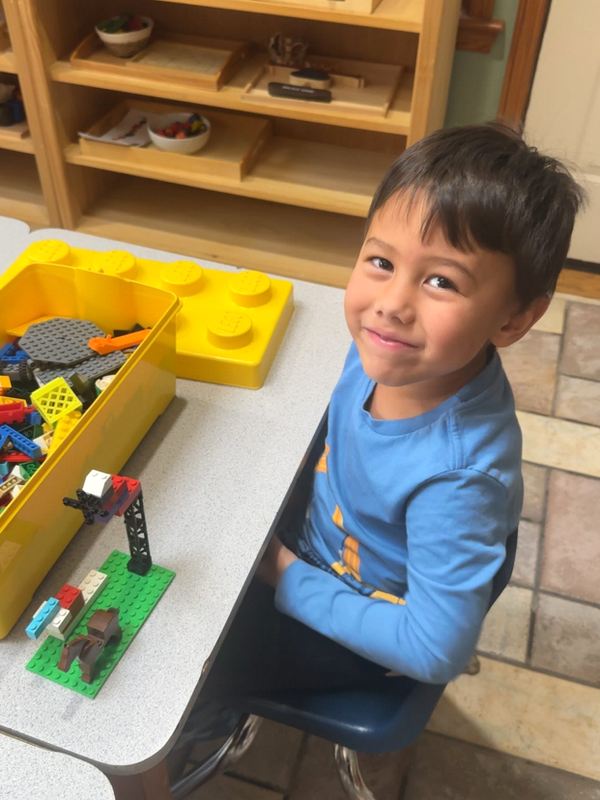
At Lighthouse Montessori, daycare is never just supervision. It’s an extension of the same Montessori environment your child learns in every day. Whether your child is with us for a full day or just a few hours, they are cared for by our trained, qualified staff and given the same warm, orderly, purposeful setting that defines our classrooms.
We believe every child deserves both nurturing care and meaningful learning, no matter the hours they spend with us. That’s why children in our care are never simply “watched.” They’re engaged, guided, and given opportunities to explore, create, and grow throughout the day.
Our approach to daycare & childcare includes:
- A safe, consistent, home-like environment where children feel secure Trained caregivers who understand child development and the Montessori method
- Purposeful activities that build independence, coordination, and curiosity, not just "screen time" or unstructured play
- Opportunities for social growth through interaction with peers of different ages
- Flexible scheduling to fit your family's needs, including full-day and part-day options
- Seamless integration with our classroom programs, so care and education always work together
Every child who walks through our doors, whether enrolled in a full Montessori classroom or joining us for daycare hours, receives the same level of attention, respect, and genuine care. At Lighthouse Montessori, childcare is education, and education is care.
Toddler Classroom
For Toddlers 18 Months - 36 Months Old
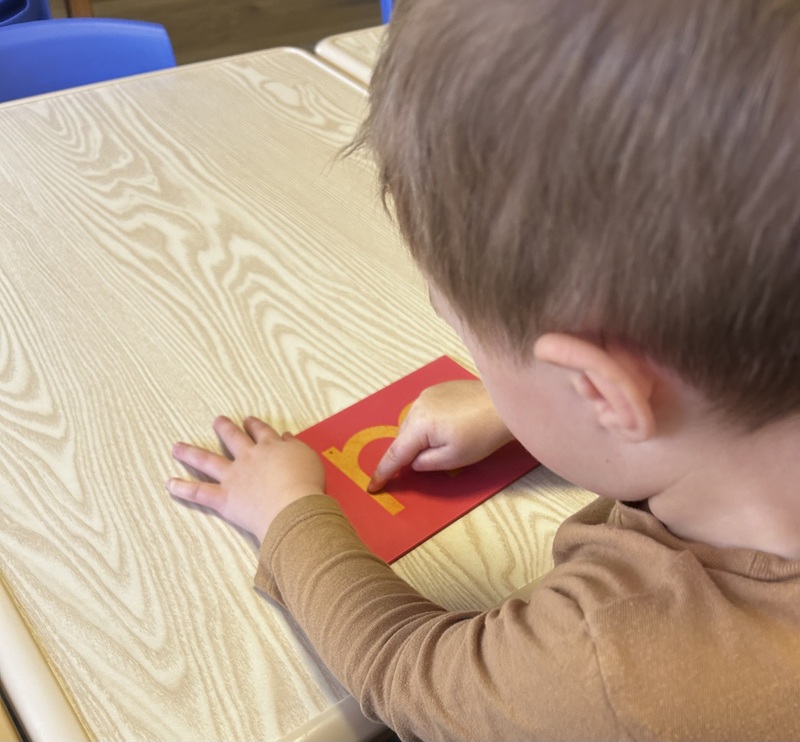
At around eighteen months of age, through age 36 months, the child’s brain is going through some interesting changes. From birth, your child has been receiving sensory input from everything he/she touches, tastes, hears, sees, smells and from each body movement made. The toddler years are the time that the brain is categorizing the different sensory input. The toddler brain needs order and organization to help clarify the sensory input that it is receiving.
As the child is unable to maintain order themselves, a true Montessori classroom will demonstrate order for the child and help him/her in their development of order.
In the toddler classroom, students will enjoy individual lessons structured for their needs as well as organized group activities.
The goals for the toddler aged students at Lighthouse Montessori School are as follows:
- Learning to feel safe and secure at Lighthouse Montessori School
- Development of speech
- Development of large muscles
- Development of order and organization
- Learning to function in a community of other children
- Toilet learning
- Learning to LOVE learning
Early Childhood
For Children 3-6 Years Old
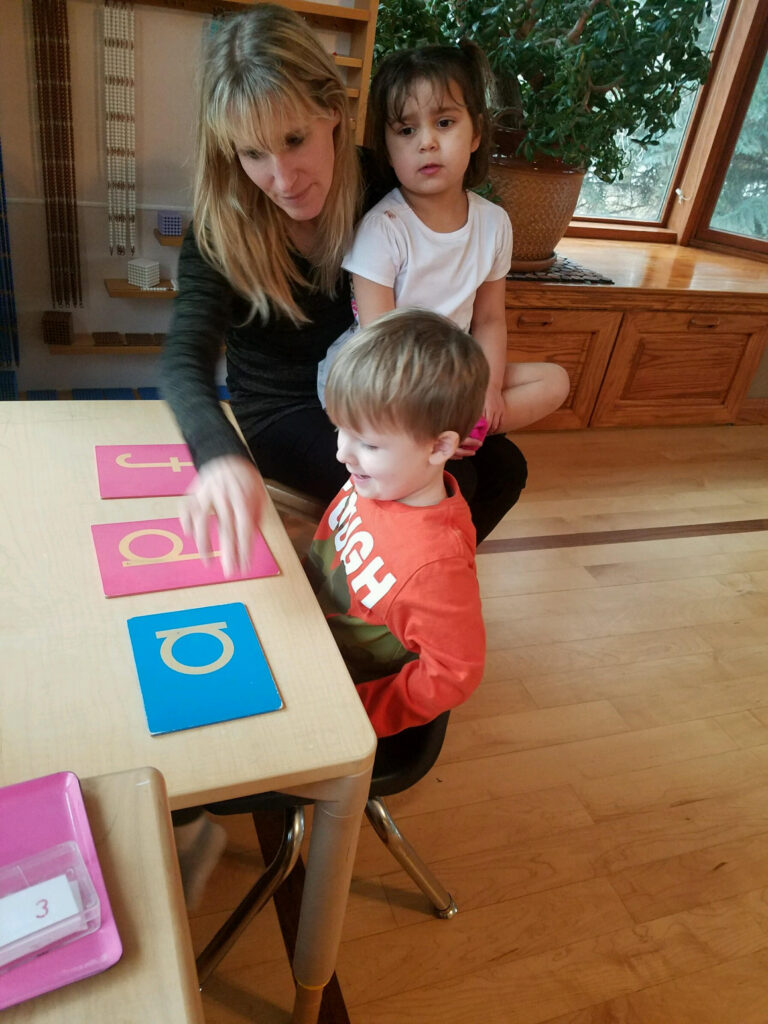
Between the ages of 3 and 5, a child’s physical and mental powers are rapidly developing. At this time, it is imperative to establish order and clarity within the child’s mind. The classroom has specifically designed learning apparatus and exercises designed by Dr. Maria Montessori. Children learn from the following areas: everyday living skills, language, math, sensorial skills, reading, and cultural arts. If you have further questions, feel free to reach out!
Goals of the Early Childhood Program
- To help children develop their ability to learn by helping them establish a sense of order, organization, independence, and self-confidence, and to exercise their five senses.
- To help children learn manners and social skills.
- To give children the opportunity to explore academic subjects at their individual pace.
- To build the foundational skills needed for a successful transition into Kindergarten.
Kindergarten
For Children 5-6 Years Old
Kindergarten marks the third and culminating year of the Montessori early childhood cycle. By this stage, children have built a strong foundation in order, independence, and self-direction, and are ready to apply those skills with greater depth and focus. Using the same specially designed Montessori materials, kindergarten students move into more advanced work across everyday living skills, language, math, sensorial exploration, reading, and cultural arts, often serving as mentors and role models to their younger classmates. If you have further questions, feel free to reach out!
Goals of the Kindergarten Program:
- To deepen each child's sense of order, independence, and self-confidence as they take on more complex, multi-step work.
- To strengthen manners, leadership, and social skills through mentoring younger children in the classroom.
- To advance academic subjects, including reading, writing, and math, at each child's individual pace.
- To prepare children for a confident and successful transition into elementary-level programs.
Lower Elementary
For Children 6-9 Years Old
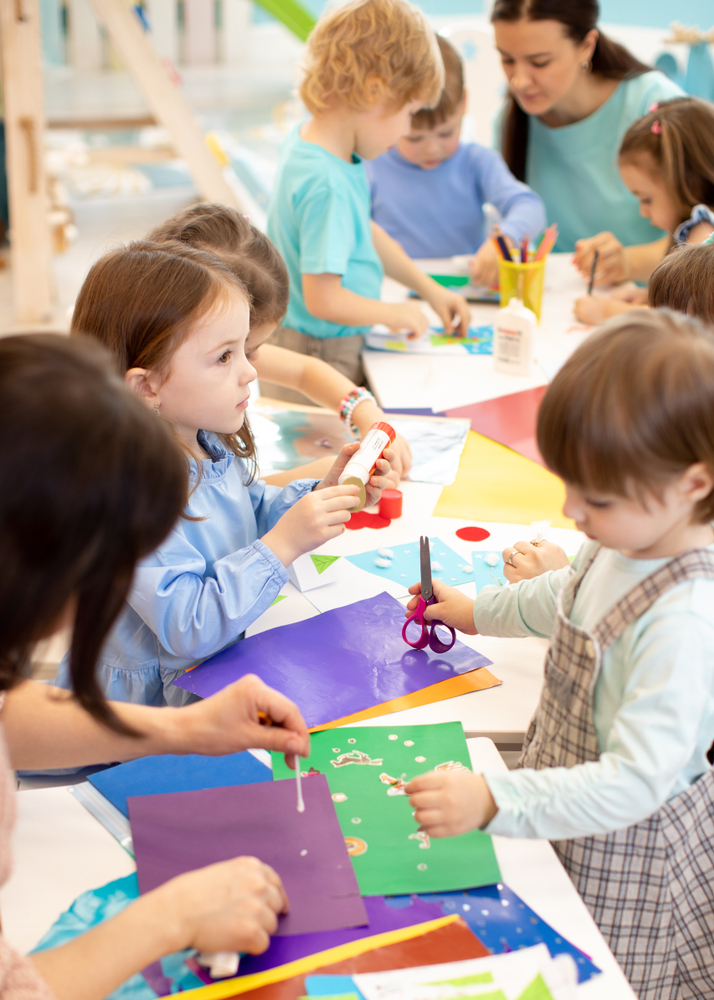
In the lower elementary class, we set the stage for future learning. We use the child’s natural curiosity and the skills gained in preschool and kindergarten to help them gain a broad understanding of history, geography, botany, zoology and geometry while developing a solid foundation in math, reading and writing.
The Lower Elementary classroom is for our children ages six to nine (typically grades 1-3). The multi-age class environment gives the children not only the academic challenge, but also a family-like social structure that teaches many needed social skills: helping one another, nurturing, peaceful conflict resolution, sharing and working together as a community.
The children are allowed to work on the curriculum (math, language, reading, writing, sensorial, geography, geometry, botany, history) at their own pace and are not restricted to a set grade-level curriculum. This allows children who excel to advance faster and those who need extra support to receive the additional assistance they may need.
Upper Elementary
For Children 9-12 Years Old
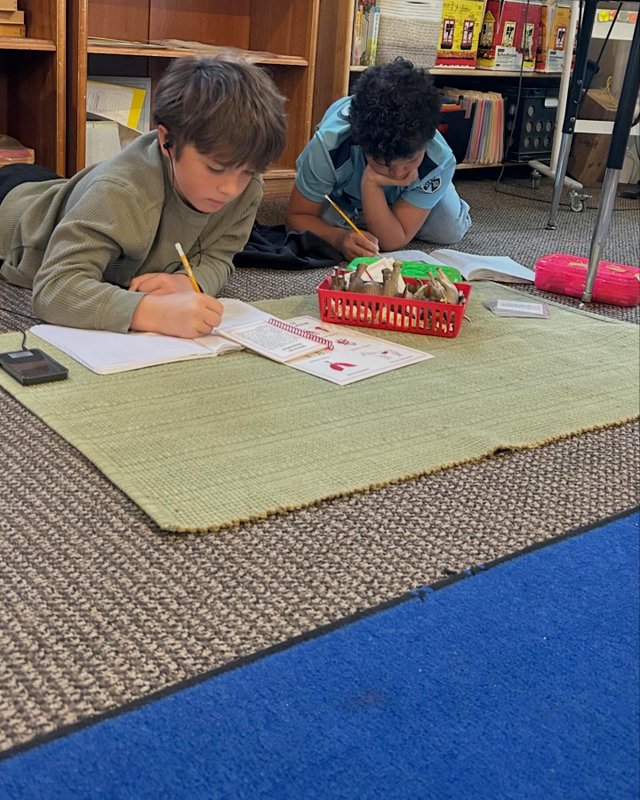
With a solid foundation set in the lower elementary years, upper elementary students are ready for serious study. Rather than simply reading out of textbooks and answering questions on a worksheet, upper elementary students work independently or in small groups to research topics.
Children research from several sources, learning to write papers and give oral reports while advancing their skills in math, reading and writing. In addition to a strong academic elementary curriculum, the child’s social skills are enhanced through an emphasis on independent learning, cooperative group relationships and personal responsibility. Self-discipline, independent work habits, and self-direction are encouraged and expected.
Enrollment process
We are happy to answer any questions about Lighthouse Montessori Farm School and our enrollment process.
Please note: Children 3+ and up must be fully potty trained before beginning the application process.
Contact us here to get started.
This visit allows you to experience our school environment and determine if it feels like the right fit.
Part 1 – School Tour
Tour the classrooms, explore our materials, and learn about the Montessori philosophy and method.
Part 2 – Classroom Observation
Observe a Montessori classroom in action (scheduled during class time at 9:00 AM or 1:00 PM). An observation guide will be provided. Observation visits are scheduled after your tour.
Your child will spend time in the classroom interacting with teachers in a warm, welcoming setting.
This is so we can get to know one another and ensure a good fit.
Child visits are scheduled after the parent tour and observation.
After the steps above are completed, the teachers and administrators will meet & discuss whether this program is a good fit for your child.
Meet with your child’s teacher and/or administration to discuss your observations, your child’s visit, educational goals, school policies, and any remaining questions.
Enrollment is offered once it has been determined that Lighthouse and your child are a good match and space is available.
A spot is secured upon receipt of the required deposit and signed contracts.
We proudly accept the Idaho Child Care Program (ICCP).
Before and After school care
Before and After school care is available Monday through Friday.
Before care is 7:00 a.m. to 8:30 a.m. (earlier arrival may be available only with prior arrangements)
After care is 3:30 p.m. to 6:00 p.m.
The cost of this service is $5.00 an hour and is billed in 15 minute increments. Childcare offered when school is out is also billed at this rate. If you have any questions feel free to contact our office.